
THE LAND
A Marshland Shaped by Geological History
The Saint-Gond marshes form a vast wetland shaped by the retreat of the Cretaceous seas. Chalk lies just beneath a thin layer of soil mixed with flint and rendzina, creating a well-drained subsoil that contrasts with the water-retaining nature of the surrounding marshland.
This paradox lies at the heart of our Champagnes' identity: vine roots seeking the freshness and minerality of the chalk, while moisture-laden air slows ripening and preserves the wines' natural tension and vibrancy.
The region is also steeped in human history. From the Neolithic period to the First World War, generations of people have shaped these marshes over thousands of years.
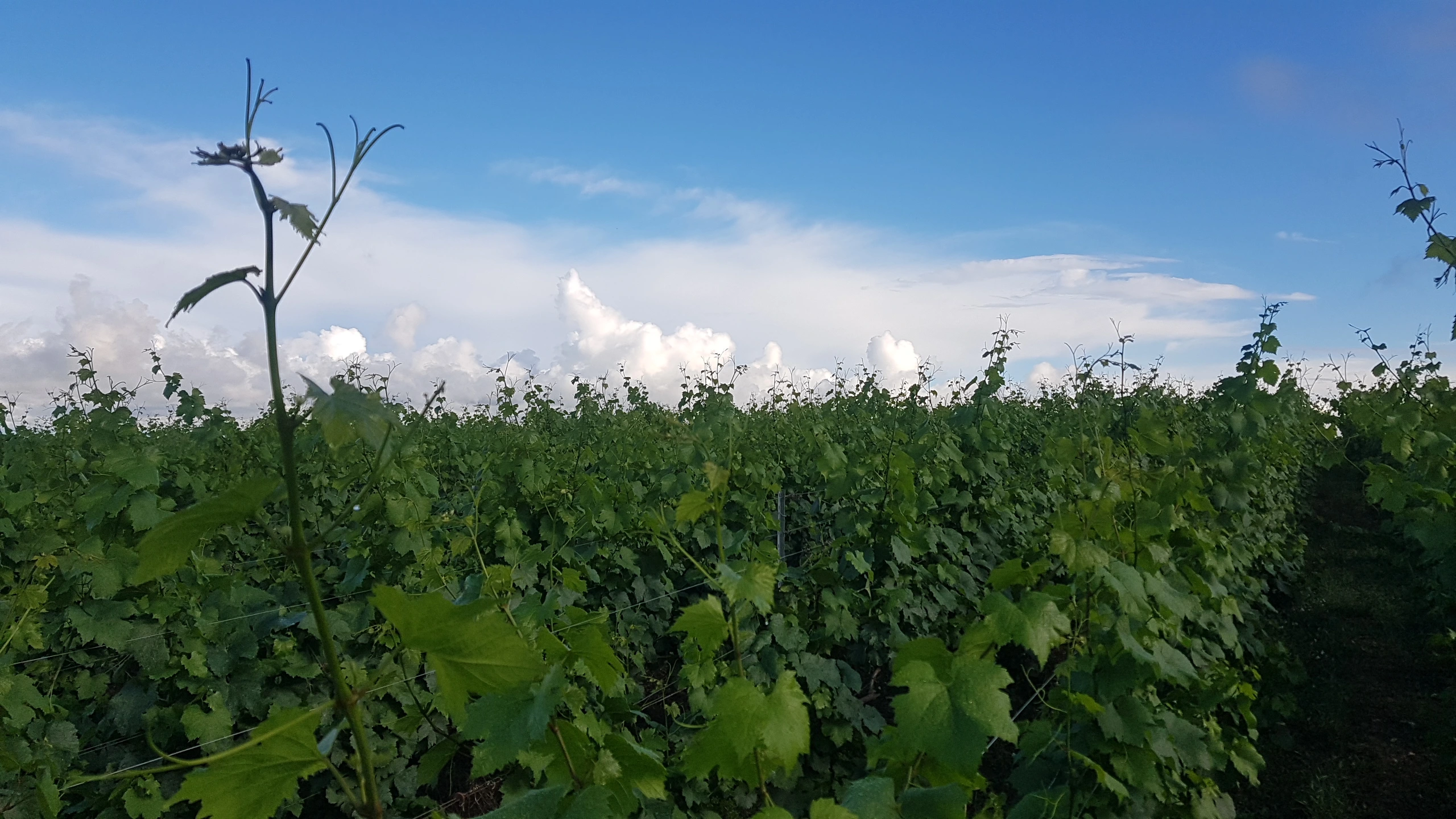
THE MICROCLIMATE
Four Seasons, Four Challenges

Winter
Frost is common in the marshes. Mist settles over the landscape as the vines are pruned in the cold, damp winter air.

Spring
The marshland basin increases the risk of late spring frosts, making daily observation essential.

Summer
Humidity moderates the summer heat. Grapes ripen slowly, preserving their natural acidity.

Autumn
Morning mist settles on the grape clusters. Harvesting decisions are made day by day, vineyard plot by vineyard plot.
Experience This Terroir in Every Glass
Four Champagnes, four expressions of this unique place.
